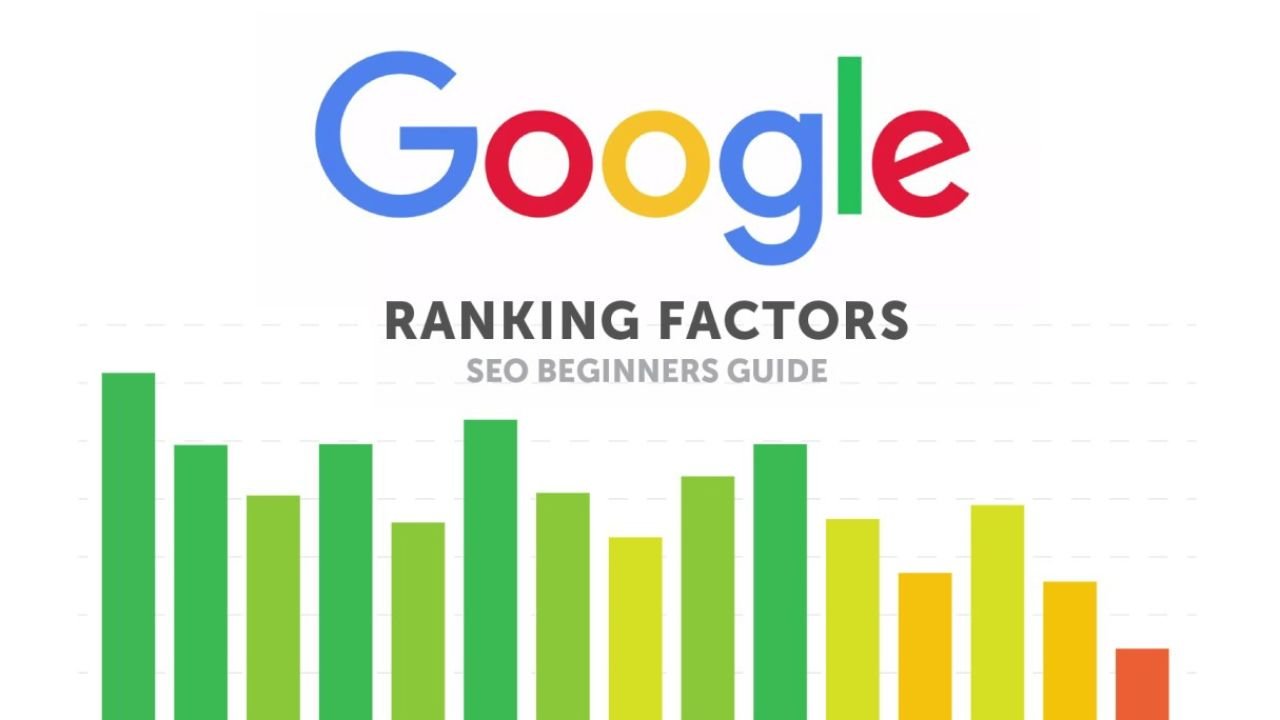
Google Search is constantly evolving its algorithms, so website rankings no longer depend on tricks or shortcuts. Google rates websites on various parameters, including spam detection, relevance scoring, page experience, and quality assessment.
In 2026, Google is smarter than ever. It uses AI, user signals, content structure and content quality to decide which website should rank higher on search engine.
Simply adding keywords to a page or building backlinks doesn’t make a site rank. In this guide, we’ll explain in detail the Google Ranking Factors that are still important.
Google Ranking Factors for 2026
This blog explains the Google ranking factors using simple language and practical tips you can use right away.
Human-First Content
Google focuses primarily on content quality and user experience. Therefore, we should focus on content and publish content according to user requirements.



Google wants content that:
- Answers user questions clearly
- Solves real problems
- Is easy to understand
Search Intent Matters
In the past, SEO was simply about repeatedly adding keywords. But now, content needs to be written based on understanding search intent. Modern search systems select results based on user needs. Pages that don’t address the query, provide incomplete answers, and have low quality results don’t rank.
There are 4 types of search intent:
- Informational: Learn something or give information
- Navigational: Find a specific brand or specific site
- Commercial: Compare options, read reviews, or evaluate brands
- Transactional: Take action (buy, call, book)
Website Speed and Core Web Vitals
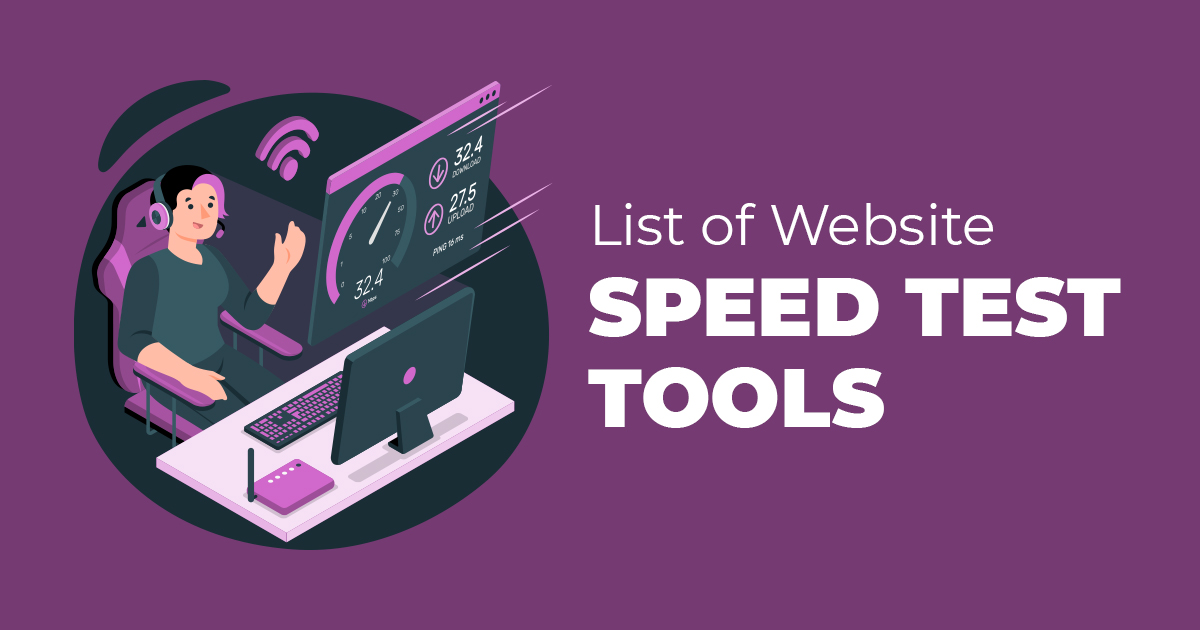
Nobody likes a slow website. Google doesn’t rank a slow-loading site in its search engines. That is why website speed is a ranking factor.
Google evaluates CWV 2.0 Metrics
- INP (Interaction to Next Paint) – user interactivity
- LCP (Largest Contentful Paint) – loading experience
- CLS (Cumulative Layout Shift) – visual stability
E-E-A-T
E-E-A-T plays a major role in Google rankings factors, especially for business and professional topics. Google wants to show content from trusted sources.
- Experience: Practical, real-world understanding
- Expertise: Knowledge of the subject
- Authoritativeness: Recognition within the industry
- Trustworthiness: Accuracy and transparency
Conclusion
Backlinks are still important, but quality matters more than quantity. AI and search intent also play a big role in how Google ranks websites.