Search intent, or user intent, refers to the reason behind a user’s query. Whenever a user searches on Google, they don’t just type words they come with a purpose. This user intent is called search intent.
User is searching for “best laptop under 50,000,” wants to know “how to make a website,” or is about to purchase “buy a domain”—there’s a specific purpose behind their query. This intent tells Google what kind of results the user wants.
Search intent is considered the biggest ranking factor. Google’s algorithm relies on how closely your content matches the user’s intent. Unless your content is written to meet search intent, your site won’t rank.
Key Takeaways
- Search intent refers to the purpose behind a query, influencing how you optimize content.
- Understand what the user wants
- Research your audience’s needs by analyzing search results
- Match the right format and structure
- There are four types of search intent: navigational, informational, commercial, and transactional.
What is Search Intent?
Search intent or user intent refers to the words users search on Google. Google analyzes the intent of each query to display search results, ensuring users receive accurate and helpful information.
Search intent, also known as user intent, refers to the user’s intention behind searching for the keyword they are searching for.

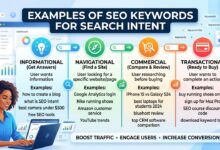

Search intent gives a better user experience: Offer your prospect what they want. If your content doesn’t match the intent, you’ll never rank. Today, website success depends not just on keywords, but on intent match.
Example:
If the user writes – “How to start blogging”
→ Intent: Informational
If the user writes – “Best hosting for WordPress”
→ Intent: Commercial
If the user writes – “Buy Hostinger plan”
→ Intent: Transactional
If the user writes – “Facebook login”
→ Intent: Navigational
You need to create a different style of content to target each type of intent. This is why understanding search intent correctly is crucial to your SEO success.
How Google began to understand intent
Search intent has become quite advanced today, although it wasn’t as developed in the past. Before 2012, Google focused solely on keywords. However, over time, Google has improved ranking factors through core updates.
Now, Google only ranks content that meets user intent. AI also ranks content only when it matches the search intent.
Types of Search Intent
Search intent is the objective or goal behind a user’s query. Designing content based on search intent can help you rank for keywords more easily. It’s broadly divided into four categories.
Informational Intent: When the user needs to learn something, you need to focus on this intent. To do this, you need to use detailed, helpful content along with long-form content.
Navigational Intent: Navigational Intent should be used when the user wants to visit a specific website or platform. Navigational keyword modifiers are [brand name], [product name], [service name], etc.
Transactional Intent: This intent is used when a user wants to purchase a product. It is most commonly used for e-commerce sites. Transactional keyword modifiers are buy, subscribe, price, cheap, discount, sale, near me, order, etc.
Why is search intent important for SEO?
Let me ask you this small question first: What is your ultimate objective for doing SEO?
It’s probably one or all of these three objectives:
- Drive More Traffic
- Improve Your Rankings
- Boost Your Conversions
These factors positively signal Google’s ranking algorithms. When your content aligns perfectly with the user’s search intent, your website keyword get higher rankings, more traffic, and better conversions almost every time.
How does Search Intent Boost Google Ranking?
If you write content on your website keeping the user in mind, which gives some value to the user, then automatically your website starts ranking at a good position in the search engine result page.
✔ Low bounce rate
✔ High dwell time
✔ Better user engagement
✔ Higher trust
✔ High CTR
✔ Strong ranking signals
Keyword research is crucial to understanding search intent, which makes it easier to write content. Consider how users might search for the topic you’re writing online, and then begin writing.
Optimizing Content for Search Intent
It’s important to optimize your content for search engines. It’s pretty easy to generate ideas and develop a content strategy with search intent. Here are some ways to do it.
Keyword Research
Keyword research helps you create content that resonates with your audience. Once you know which keywords to target, you can effectively utilize them in your content.
Write Content Around Search Intent
Create your website content around your ideal customer’s search intent. Different intent can be used as per need. Then, add keywords and long-tail keywords throughout your content for SEO and improve search ranking.
Analyze Content Types
To improve your content, look at Google to see what types of content are relevant. For example, if someone is searching for a good air fryer, Google provides a list of comparable products and reviews.
Conclusion
Search Intent should be used to rank a website according to search engines. Search intent is the underlying reason why someone conducts a search. There are several ways to determine search intent.
Frequently Asked Questions
What is search intent in SEO?
Search intent refers to the purpose behind a search query in a search engine.
Search intent matter for content ranking?
Search engines like Google aim to show results that best satisfy what users are looking for.
What are the 4 types of search intent?
The four main types of search intent types are: Informational intent, Commercial intent, Transactional intent, Navigational intent.
How Do You Check Search Intent?
To check search intent, search your target keyword and analyze the results. The search results themselves reveal what users expect to see.