Networking technology is one of the most significant foundations of the digital world. Every connected device, online service, cloud application, and communication platform depends on computer networks to exchange information securely and efficiently. As organizations continue embracing digital transformation, understanding networking concepts has become valuable not only for IT professionals but also for students, educators, business leaders, and technology enthusiasts.
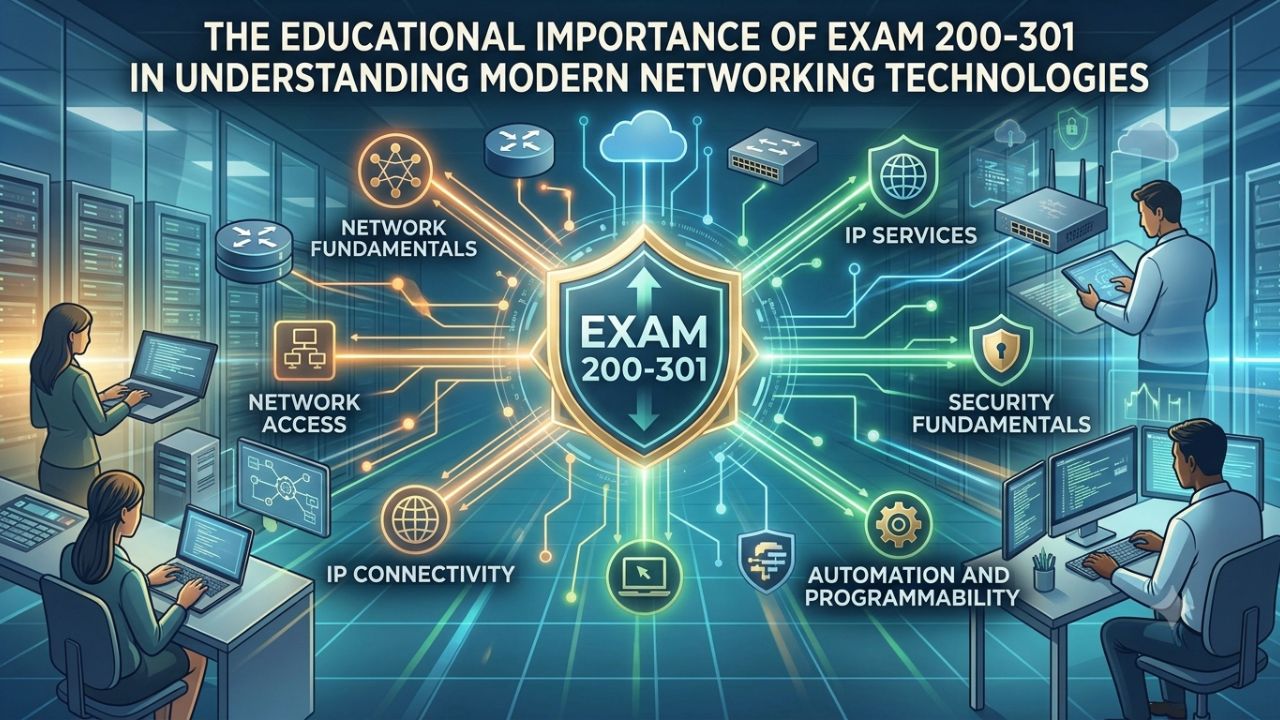
The educational topics associated with 200-301 introduce learners to the principles that support modern networking environments. These concepts explain how devices communicate, how information travels across networks, and how organizations maintain reliable digital infrastructure. Rather than focusing on examination strategies, studying these subjects encourages a deeper understanding of networking technologies and their role in today’s connected society.
Learning networking fundamentals helps build analytical thinking, technical awareness, and a strong educational foundation for future studies in cloud computing, cybersecurity, systems administration, and enterprise infrastructure.
The Importance of Networking in the Digital Age
Modern society depends on network connectivity more than ever before.
Businesses, educational institutions, healthcare providers, governments, and individuals all rely on networking technologies for everyday activities such as:

- Video conferencing
- Online banking
- Digital education
- Cloud computing
- Social media
- E-commerce
- Remote collaboration
- Streaming services
Without reliable networks, many of today’s digital services would not be possible.
Understanding Networking Fundamentals
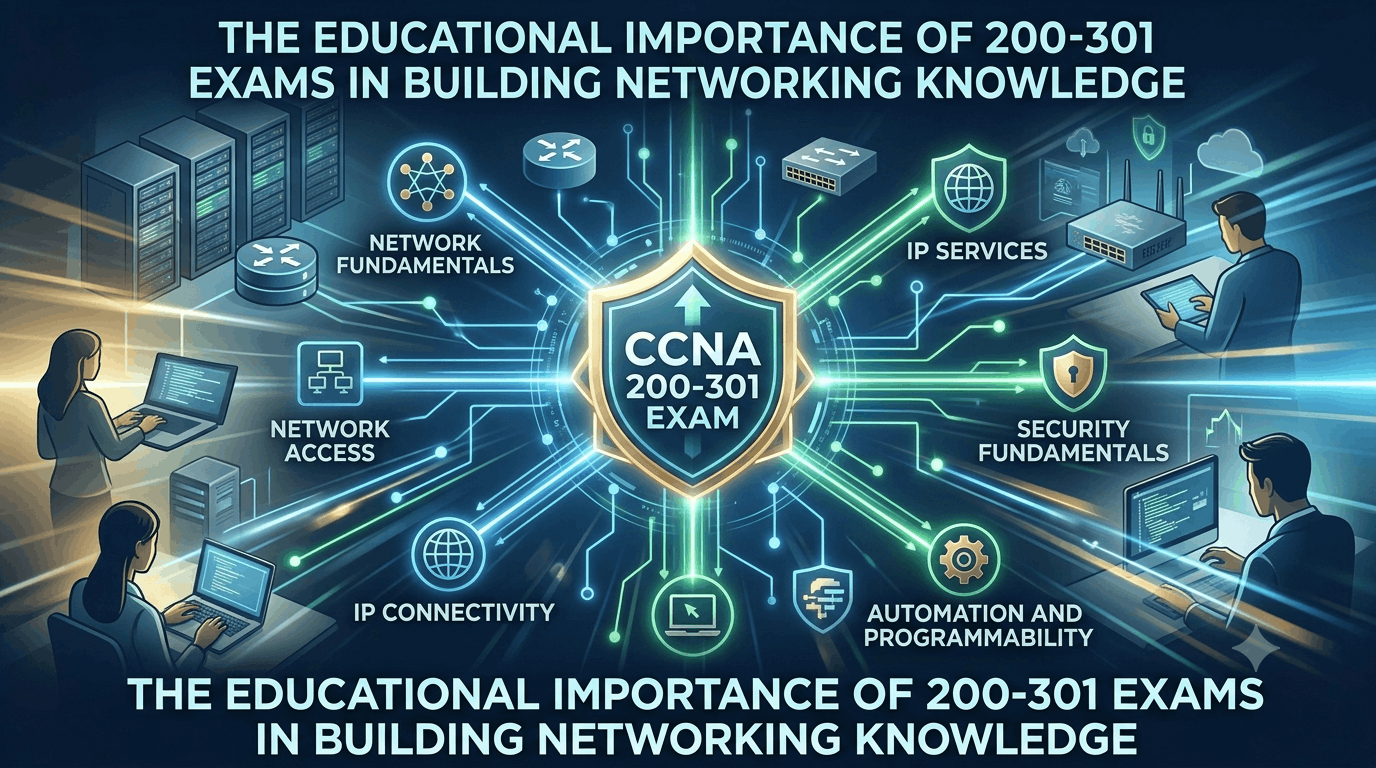
The educational concepts commonly associated with 200-301 provide learners with an introduction to essential networking principles.
These topics include:
- Network architecture
- Communication protocols
- Internet Protocol (IP)
- Routing
- Switching
- Wireless networking
Together, these concepts explain how information moves between computers, servers, mobile devices, and cloud platforms.
Network Infrastructure
A modern computer network depends on several hardware components working together.
Educational discussions often include devices such as:
- Routers
- Switches
- Firewalls
- Wireless access points
- Network controllers
- Network cables
Each device performs a unique role in supporting communication and maintaining network reliability.
Communication Protocols
Communication protocols define the rules that allow devices from different manufacturers to exchange information successfully.
Important protocol concepts include:
- Data transmission
- Error checking
- Reliable communication
- Packet delivery
- Session management
Protocols help ensure consistency and compatibility across global communication networks.
Internet Protocol and Addressing
Every networked device requires an address in order to communicate.
Educational topics related to Internet Protocol include:
- IPv4
- IPv6
- Public addressing
- Private addressing
- Network segmentation
- Address management
Understanding IP addressing helps learners appreciate how billions of connected devices communicate efficiently across the internet.
Routing Technologies
Routing enables information to travel between multiple interconnected networks.
Educational discussions explain how routers:
- Select communication paths
- Forward network traffic
- Improve connectivity
- Support large-scale communication
Routing technologies remain essential for enterprise networking and internet infrastructure.
Switching Technologies
Switches play an important role within local area networks.
Educational concepts include:
- Device communication
- Data forwarding
- Network segmentation
- Performance optimization
Switching technologies improve efficiency while allowing multiple devices to communicate simultaneously.
Wireless Networking
Wireless communication has become an essential part of everyday life.
Educational networking concepts include:
- Wi-Fi standards
- Wireless security
- Mobile connectivity
- Signal coverage
- Network performance
Wireless technologies continue supporting education, business operations, healthcare, and smart home environments.
Security Awareness
Security remains one of the most important aspects of networking education.
Fundamental security concepts include:
- Authentication
- Authorization
- Encryption
- Firewalls
- Threat detection
- Access control
Learning these principles helps explain how organizations protect valuable information and digital infrastructure.
Cloud Computing and Networking
Cloud computing depends heavily on networking technologies.
Educational cloud networking topics include:
- Virtual networking
- Remote connectivity
- Cloud infrastructure
- Resource scalability
- Secure communication
Understanding this relationship demonstrates how networking supports modern digital services.
Automation in Networking
Automation has become increasingly important within enterprise networking.
Educational discussions introduce topics such as:
- Automated configuration
- Infrastructure monitoring
- Performance analysis
- Operational efficiency
- Intelligent network management
Automation allows organizations to manage larger and more complex environments with greater reliability.
Continuous Learning
Networking technology evolves continuously as organizations adopt new communication standards and digital solutions.
Learners often continue their education through:
- Official documentation
- Academic textbooks
- Virtual laboratories
- Educational webinars
- Professional communities
- Technology publications
Those interested in expanding their educational understanding of networking concepts and modern infrastructure can explore additional learning resources here. Trusted educational platforms, official vendor documentation, and academic references provide valuable opportunities to strengthen theoretical knowledge while encouraging ethical and responsible learning.
Career Opportunities
Educational networking knowledge supports many professional roles across the technology industry.
Examples include:
- Network Administrator
- Systems Administrator
- Infrastructure Engineer
- Cloud Engineer
- Technical Consultant
- Network Operations Specialist
- Cybersecurity Analyst
- IT Support Professional
Networking fundamentals continue serving as one of the most valuable technical skill sets in modern organizations.
Building a Strong Technology Foundation
One of the greatest educational benefits of studying networking concepts is the strong technical foundation they provide.
Related educational disciplines include:
- Cybersecurity
- Cloud computing
- DevOps
- Systems administration
- Enterprise networking
- Infrastructure engineering
Understanding networking makes it easier to explore advanced technology subjects later.
Networking in Everyday Life
Most people interact with networking technologies countless times every day.
Examples include:
- Sending emails
- Streaming music
- Watching online videos
- Shopping online
- Joining virtual meetings
- Using mobile applications
Learning how these services depend on networking infrastructure increases appreciation for the technology supporting modern lifestyles.
Frequently Asked Questions (FAQs)
What educational topics are associated with 200-301?
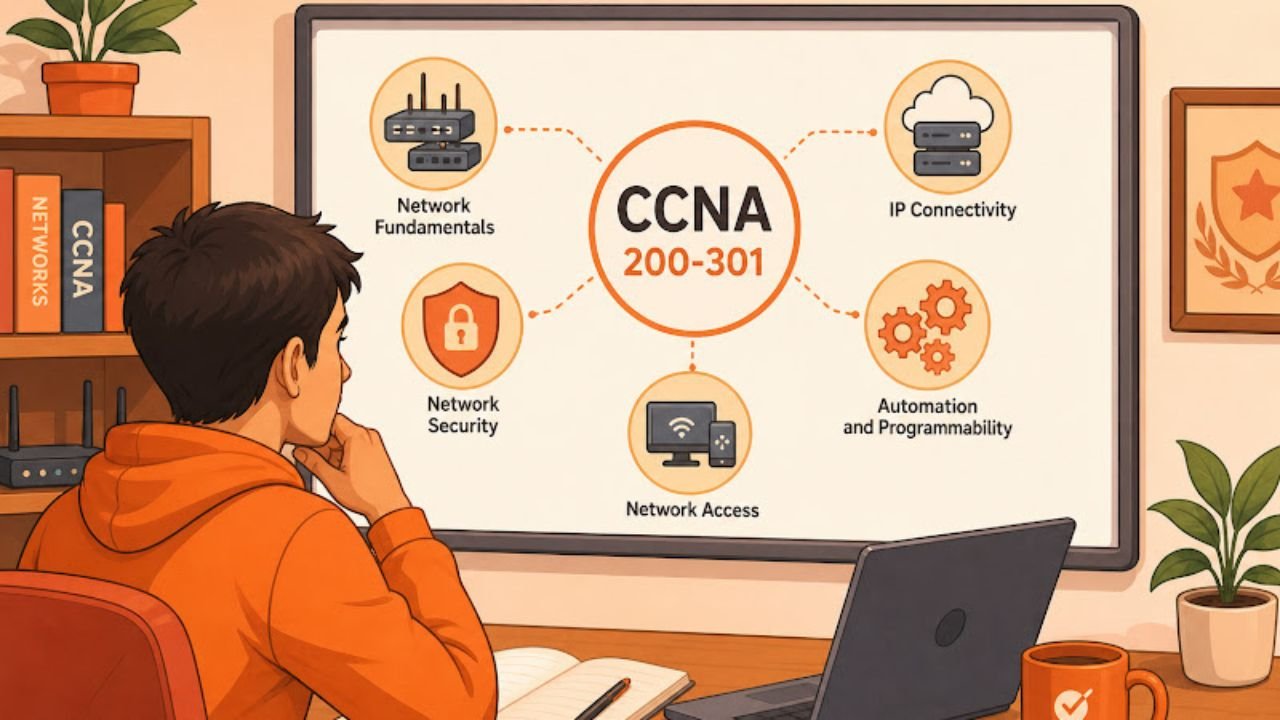
Common topics include networking fundamentals, routing, switching, IP addressing, wireless networking, communication protocols, security awareness, cloud networking, and infrastructure management.
Who can benefit from learning networking concepts?
Students, educators, aspiring IT professionals, business analysts, network administrators, and technology enthusiasts can all benefit from studying networking principles.
Why is networking education important?
Networking education explains how digital communication systems function while supporting cloud computing, internet services, enterprise infrastructure, and modern business operations.
Does networking knowledge apply outside the IT industry?
Yes. Many business professionals, project managers, educators, and technology users benefit from understanding how digital communication systems operate.
Why is continuous learning important in networking?
Networking technologies evolve rapidly, making ongoing education essential for understanding new standards, security practices, cloud services, and automation technologies.
Can networking fundamentals support future education?
Absolutely. Networking provides an excellent educational foundation for advanced studies in cybersecurity, cloud computing, infrastructure engineering, enterprise systems, and other technology disciplines.
Conclusion
The educational concepts associated with 200-301 provide learners with valuable insight into the networking technologies that power today’s connected world. By studying communication protocols, routing, switching, wireless networking, cloud infrastructure, security principles, and automation, individuals develop a deeper understanding of how modern digital systems function.
As organizations continue expanding their reliance on technology, networking education remains an essential component of lifelong learning and professional development. Focusing on genuine understanding rather than examination preparation helps learners build lasting knowledge that supports future educational opportunities and success across the evolving technology landscape.