The Educational Significance of Brown Clip-In Hair Extensions in Modern Beauty and Fashion
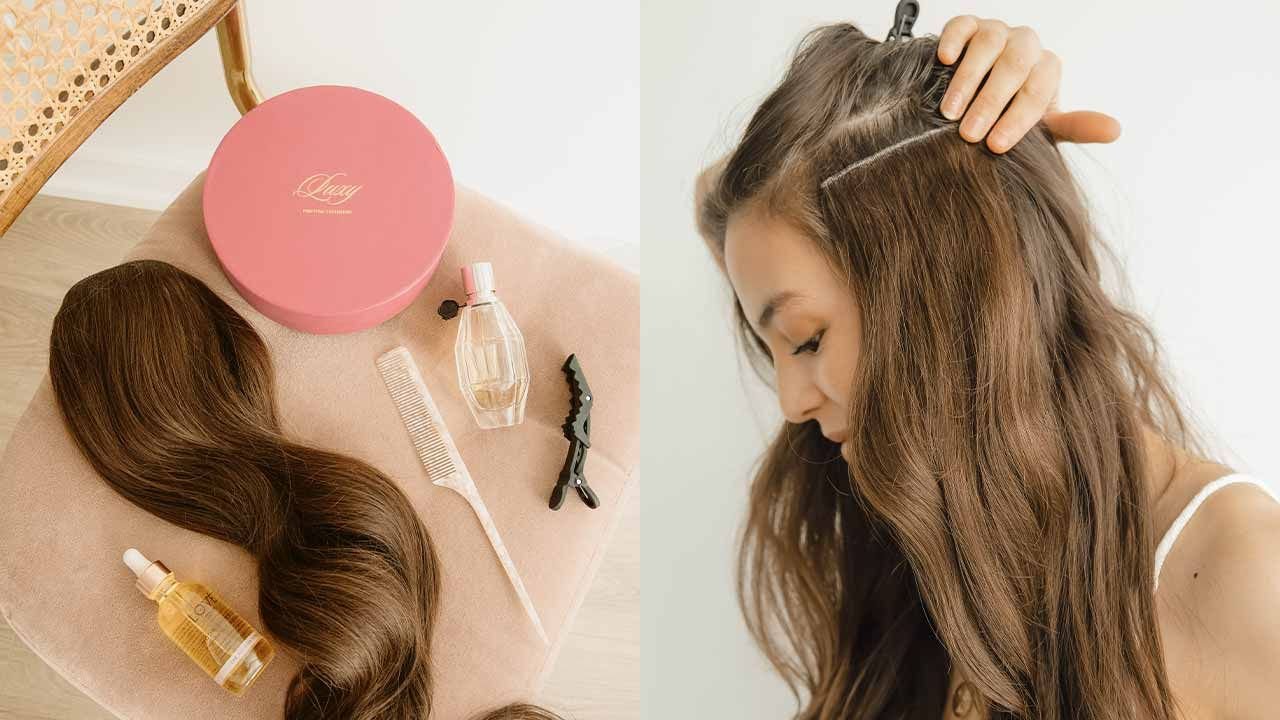
Hair has long been an important element of personal style, cultural identity, and self-expression. Across different societies and historical periods, people have experimented with hairstyles, colors, and accessories to enhance their appearance and reflect individual preferences. Among the many innovations in the beauty industry, clip-in hair extensions have become a popular option because they provide temporary length, volume, and styling flexibility without requiring permanent changes to natural hair.
Brown clip-in hair extensions are especially popular due to the wide range of brown hair shades found across different populations. From an educational perspective, studying these products offers valuable insight into beauty technology, cosmetic manufacturing, color theory, fashion trends, and consumer preferences. Rather than focusing on purchasing decisions, understanding the development and use of clip-in extensions helps learners appreciate how creativity and technology influence the modern beauty industry.
Understanding Clip-In Hair Extensions
Clip-in hair extensions are removable sections of hair attached to small clips that allow users to add extra length or volume to their existing hairstyle. Unlike permanent hair extensions, clip-in varieties are designed for temporary use and can be attached or removed without specialized salon procedures.
They are commonly used to:
- Add volume
- Increase hair length
- Create new hairstyles
- Enhance special occasion looks
- Experiment with different appearances
- Complement fashion trends
Their flexibility has contributed to their popularity among individuals with various hair types and styling preferences.



The Popularity of Brown Hair Shades
Brown is one of the most naturally occurring hair colors worldwide.
Its popularity makes brown clip-in hair extensions suitable for many people because they often blend well with natural hair.
Brown shades commonly include:
- Light brown
- Medium brown
- Dark brown
- Chocolate brown
- Ash brown
- Warm brown
Understanding color variation helps explain the importance of matching tones in beauty products.
Beauty and Personal Expression
Beauty products have always supported personal creativity and self-expression.
Hairstyles often reflect:
- Personality
- Cultural traditions
- Fashion preferences
- Professional presentation
- Seasonal trends
- Individual confidence
Clip-in hair extensions provide opportunities for creative styling while preserving natural hair.
Educational Value of Hair Styling Products
Studying beauty products introduces learners to multiple academic disciplines.
Relevant educational subjects include:
- Cosmetic science
- Fashion studies
- Consumer behavior
- Product design
- Material technology
- Personal grooming
These fields demonstrate the relationship between science, creativity, and everyday consumer products.
Advances in Cosmetic Manufacturing
The beauty industry continues benefiting from technological innovation.
Modern manufacturing techniques improve products by offering:
- Better durability
- More natural appearance
- Comfortable wear
- Improved color consistency
- Lightweight construction
Technological progress continues raising quality standards across the cosmetics industry.
Material Innovation
Hair extensions may be produced using different materials depending on their intended purpose.
Educational discussions often compare:
- Human hair
- Synthetic fibers
- Heat-resistant materials
- Blended fibers
Each material possesses unique characteristics related to appearance, maintenance, durability, and styling flexibility.
Color Theory in Beauty
Color selection plays a significant role in cosmetic design.
Understanding color theory helps explain how manufacturers create products that complement natural hair colors.
Important considerations include:
- Warm tones
- Cool tones
- Neutral shades
- Color harmony
- Visual balance
These concepts influence both fashion and cosmetic product development.
Fashion Trends and Changing Preferences
Fashion trends evolve continuously, influencing hairstyles and beauty products.
Popular influences include:
- Celebrity styles
- Social media
- Cultural traditions
- Seasonal collections
- Entertainment industries
Studying fashion trends helps learners understand changing consumer preferences over time.
Hair Care Awareness
Maintaining healthy hair remains important regardless of styling choices.
Educational topics often include:
- Hair structure
- Scalp health
- Moisture balance
- Gentle styling
- Product selection
- Routine maintenance
These concepts encourage responsible personal care while supporting long-term hair health.
Sustainability in the Beauty Industry
Environmental awareness has become increasingly important within cosmetic manufacturing.
Many companies continue exploring sustainable practices such as:
- Responsible sourcing
- Improved packaging
- Reduced waste
- Environmentally conscious production
- Product longevity
Sustainability continues influencing innovation throughout the beauty industry.
Technology and Future Innovation
Beauty technology continues advancing through scientific research and digital innovation.
Future developments may include:
- Artificial intelligence-assisted color matching
- Improved synthetic fibers
- Enhanced comfort
- Greater durability
- Sustainable manufacturing
- Personalized beauty solutions
These innovations will continue improving both product quality and consumer experiences.
Individuals interested in learning about modern beauty innovations, cosmetic science, hair styling technologies, and fashion education can view more here. through trusted educational resources, beauty industry publications, and academic materials covering personal care and cosmetic development.
Consumer Education
Educated consumers are better equipped to understand product features and industry developments.
Learning about beauty products encourages awareness of:
- Material quality
- Manufacturing standards
- Product safety
- Responsible usage
- Design innovation
- Industry trends
Consumer education supports informed decision-making while promoting appreciation for product development.
Frequently Asked Questions (FAQs)
What are brown clip-in hair extensions?
Brown clip-in hair extensions are removable hair pieces designed to add temporary length and volume while blending with various shades of brown natural hair.
Why are brown shades so popular?
Brown is one of the most common natural hair colors, making brown extensions suitable for many individuals and a wide variety of hairstyles.
What educational subjects relate to hair extensions?
Relevant fields include cosmetic science, fashion studies, product design, consumer behavior, color theory, and material technology.
What materials are commonly used?
Hair extensions may be produced using human hair, synthetic fibers, heat-resistant materials, or blended fibers depending on their intended purpose.
Why is color matching important?
Proper color matching contributes to visual harmony and creates a more natural appearance by blending extensions with existing hair.
How is technology influencing the beauty industry?
Modern technology supports improved materials, advanced manufacturing, personalized color matching, sustainable production, and enhanced product quality.
Conclusion
Brown clip-in hair extensions illustrate how beauty, creativity, science, and technology work together within the modern cosmetics industry. Beyond their role as fashion accessories, they provide valuable educational insight into cosmetic manufacturing, material innovation, color theory, personal expression, and consumer trends. As the beauty industry continues evolving through technological advancement and sustainable practices, studying products such as clip-in hair extensions helps learners appreciate the innovation and design principles that shape contemporary personal care. Understanding these concepts encourages informed learning while highlighting the growing relationship between fashion, science, and technology.