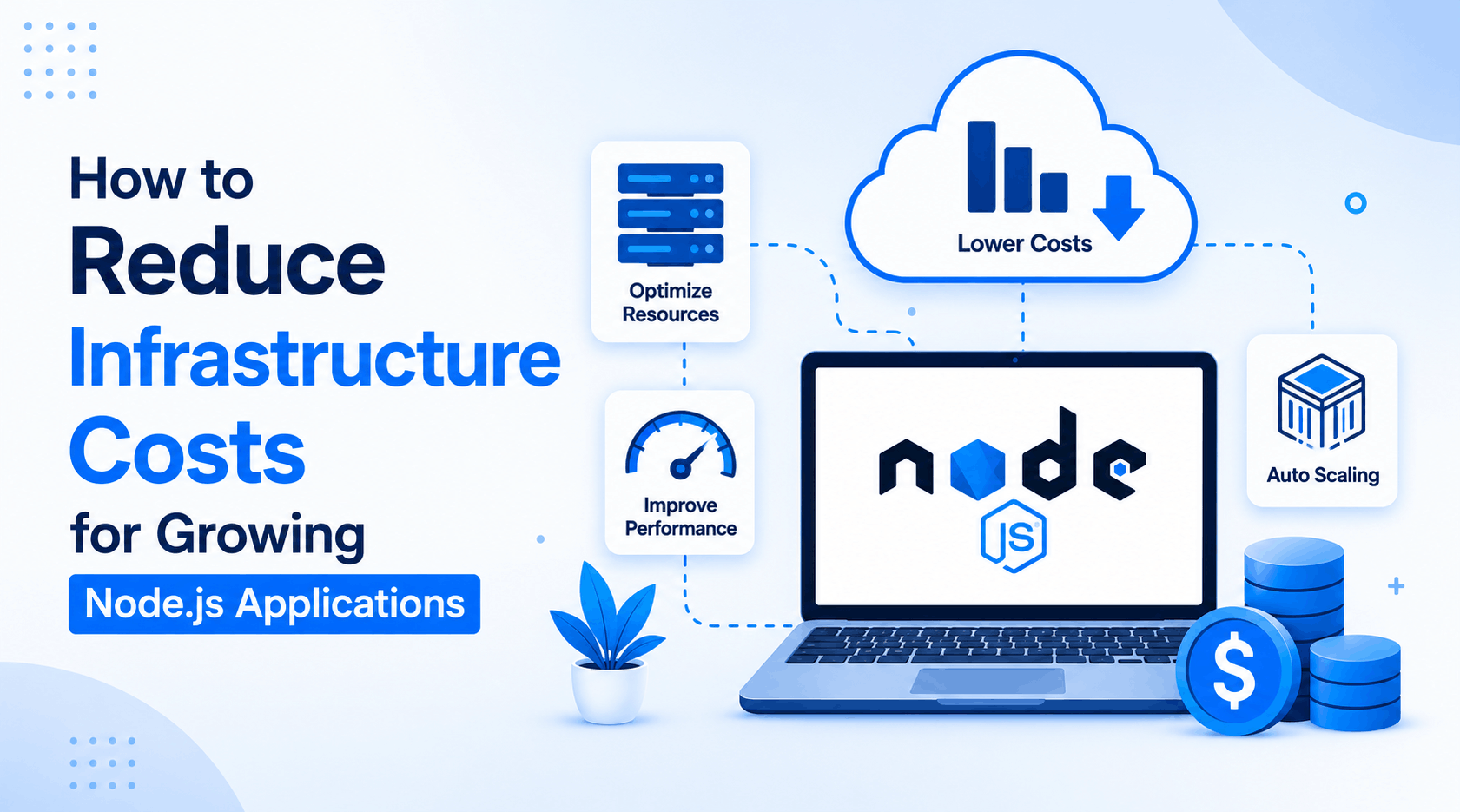
Managing infrastructure expenses requires balanced resource allocation that aligns processing power with exact operational needs. Choosing the best hosting for Node.js apps prevents sudden budget spikes by matching your production requirements with reliable hardware specifications. When user activity surges, server efficiency often drops because poorly managed V8 memory limits and blocked event loops restrict real-time request processing. Regularly analyzing these resource metrics allows you to scale workloads predictably, ensuring the application handles concurrent traffic without running into unexpected performance limits or demanding immediate, costly hardware upgrades.
Opting for reliable cPanel hosting with daily backup solution provides growing development teams with a straightforward operational environment and complete data security. This administrative environment offloads low-level server configuration, which allows you to focus strictly on preventing synchronous blocks in your main event loop. Resolving backend bottlenecks early through memory profiling, in-memory caching, and indexed database queries keeps your resource consumption low, allowing the core application to scale predictably on standard, cost-effective server profiles.
The Memory Leak Challenge in Node.js
Node.js uses the V8 engine to automate memory cleanup, but forgotten object references or abandoned event listeners block V8 from reclaiming available heap space. This upward climb in RAM continues until your physical limits are reached, creating a bottleneck that forces developers to overpay for larger compute tiers just to prevent crashes. Profiling your heap allocations early isolates these unmanaged object references, which returns the garbage collector to full efficiency. This straightforward fix lets the same server profile process a much higher volume of concurrent traffic without expensive infrastructure upgrades.
Optimizing the Asynchronous Loop
When you run heavy, synchronous tasks in Node.js, the single thread locks up and causes every incoming request to wait. This easily leads to higher hosting bills because teams end up paying for extra servers just to manage basic queues. You can avoid this issue by using worker threads for heavy calculations. You can also switch to non-blocking calls and distribute traffic across your CPU cores with a process manager to keep your existing infrastructure running efficiently.
Implementing Strategic Caching Layers
Excessive database requests consume unnecessary CPU and disk resources, inflating operational costs. Implementing an in-memory caching tier allows your application to retrieve frequent records instantly, bypassing the primary database and lowering compute requirements. This setup keeps your running costs low and response times fast. Plus, using fixed expiration dates keeps your data fresh without overworking the backend storage.



Database Query Optimization
Inefficient database queries drive up infrastructure costs. Fetching broad datasets consumes more network bandwidth and host memory than retrieving only the necessary fields. By setting up precise indexes for your filters, using connection pools, and checking execution plans, you can reduce the connection lag and speed up data searches by stopping full table scans. Managing your data properly prevents sudden CPU spikes, which means your current hardware can handle more requests with much lower latency and faster response times.
Aligning Workloads With High-Performance Hardware
Choosing the exact infrastructure for your growing workload eliminates the financial drain of over-provisioning that typically occurs in complex setups. Many organizations pay unpredictable cloud usage charges when a dedicated server provides high-performance computing at a predictable monthly cost. Reviewing resource usage helps match your needs with a stable host that preserves server efficiency over the long term.
MilesWeb provides robust hosting environments optimized specifically for server-side runtimes. This infrastructure balances raw compute power with high-speed storage to match your performance requirements perfectly.
Eliminating Asset Delivery Overhead
Serving images, scripts, and stylesheets directly from the app server wastes memory you should reserve for compute tasks. Moving these static assets to a content delivery network keeps your main server focused on processing dynamic business logic, which directly lowers CPU usage. The network delivers the cached files closer to users to speed up load times, letting you run on smaller server tiers without risking unexpected service drops.
Resource Allocation and Containerization
Running your application inside containers establishes strict operational boundaries for memory and processing usage. It prevents a single misbehaving microservice from exhausting available hardware resources. Setting exact limits on memory and CPU cores, using lightweight base images, and preventing idle background scripts from executing makes resource consumption predictable. This isolation preserves the stability of the entire environment, allowing you to dynamically adjust computing instances during peak traffic hours.
Strategic Process Monitoring
Maintaining long-term performance requires continuous monitoring of runtime operations and resource consumption. Advanced application performance monitoring tools locate slow routes and irregular memory patterns before they impact user access. Implementing automated alerts for anomalous CPU spikes or unusual network usage patterns allows technical teams to adjust server parameters proactively. This ongoing oversight keeps the development pipeline performing predictably for a responsive user experience.
Concluding Insights
Controlling hosting costs depends on continuous software optimization and right-sized server environments. Resolving memory leaks, reducing main-thread blocking, and utilizing strategic caching prevents performance limitations. MilesWeb assists this growth process by offering scalable server configurations that support your production requirements.
MilesWeb provides tier-based infrastructure plans that include professional email setup and automated daily backups, keeping your business communication and site data secure. Focusing on precise resource allocation ensures your application runs at top performance while keeping hosting costs fully predictable.